March 13, 2026 by Glenn Mangurian
Some of you may have heard of the Edelman Trust Barometer. For 26 years, the Edelman Trust Barometer has tracked confidence in government, business, media, and NGOs. In 2025, 61 percent of respondents across 27 countries reported a moderate or high sense of grievance. The same percentage said their default is to distrust others. Now that is really alarming. Worse still, the 2026 Trust Barometer indicates that our grievances and mistrust have created an insular mindset. Insularity further undermines trust. Edelman finds that 70% of people are either unwilling or hesitant to trust someone whose values, facts, problem-solving approaches, or cultural background differ from theirs. Said more simply, we trust people like us.
The cost of distrust
When distrust becomes our default setting, it affects our friendships, neighborhoods, communities, even families. For example, it changes how we interpret a delayed email, a differing opinion or even a stranger’s “good morning”. Suspicion becomes our internal reaction. Grievance and mistrust are relational problems.
Cynics and skeptics
Psychologist Jamil Zaki, Stanford professor and author of “Don’t Let Cynicism Undermine Your Workplace” draws an important distinction between skepticism and cynicism. Skepticism is thoughtful and evidence-based. It asks questions. It waits for proof. Cynicism, by contrast, assumes the worst. It begins with the belief that people are selfish, greedy, and dishonest — and then filters every interaction through that dark lens. Zaki notes that cynics often consider themselves wise realists. He states that cynicism is not the opposite of gullibility. Neither seeks evidence. One blindly trusts and the other blindly mistrusts.
Our assumptions about others
Cynics assume ulterior motives where none may exist. We imagine the “average person” as more selfish than real people actually are. When we treat someone as though they are selfish, they are more likely to respond defensively or as we may interpret – selfishly. In trying not to be taken advantage of, we get defensive and create the very response we distrust. It is easy to see how cynicism can be corrosive. It can isolate us and make connections harder.
Intentional Trust
Zaki postulates that the alternative is not naïve optimism. It is intentional trust. Ernest Hemingway once wrote, “The best way to find out if you can trust somebody is to trust them.” Trust, offered wisely, is not weakness. Although it may make us feel vulnerable, it is actually an invitation. When people sense they are trusted, they often strive to be worthy of it.
The next time you catch yourself assuming the worst in an interaction with a friend or colleague — pause. Ask: What evidence do I actually have? Am I being skeptical, or simply cynical? How might this relationship change if I gave a little more benefit of the doubt and assumed good intentions? We cannot solve the pervasive problems of grievances, mistrust and insularity. We can, however, reflect whether cynicism governs our own relationships. We can choose to see one another not as selfish or mistrustful, but rather as complex human beings — flawed, like ourselves, but also capable of generosity.
If we decide that the worst of humanity defines us, we give up on one another, isolate ourselves and live lonely lives. If instead we focus on the good that people are capable of, we make room for trust in others and their trust in us. Maybe we can start tomorrow with the relationships right in front of us.
Food for Thought
- Think about whom you distrust. How did you lose trust in them? What would it take to regain it?
- Who has lost trust in you? What might you have done to lose it? How can you regain their trust?
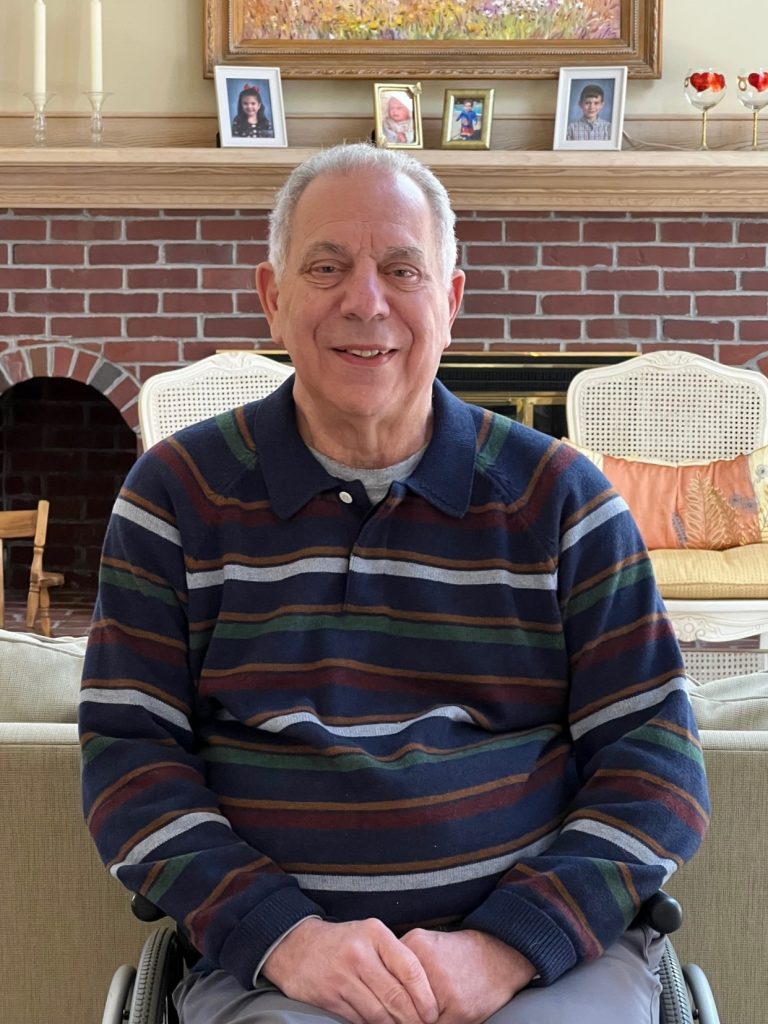
Glenn Mangurian is a Hingham resident of 42 years. He welcomes your comments and can be reached at
gmangurian@comcast.net