

February 1, 2024 by Student Commission Member Akaashi Shetty on behalf of the Hingham Human Rights Commission
“There will come a time when we will love humanity, when we will gain the courage to fight for an equitable society for our beloved humanity, knowing, intelligently, that when we fight for humanity, we are fighting for ourselves.”
― Jason Reynolds, Stamped: Racism, Antiracism, and You
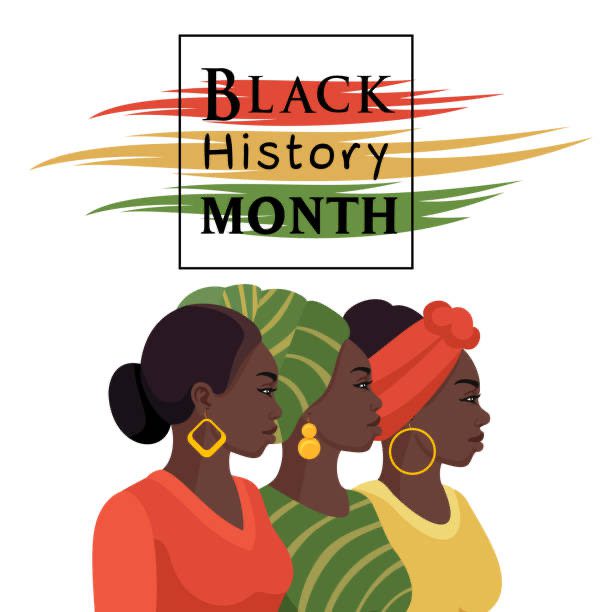
As we commemorate Black History Month, it’s crucial to acknowledge the significant importance of this yearly observance. It not only celebrates the profound contributions of Black Americans but also underscores the enduring struggle for equity and justice. Black History Month illustrates a vital reminder of past iniquities endured and the victories achieved by Black individuals throughout history. This reflection of history is crucial in shaping today’s actions and future guidance.
Throughout many accounts of American history, the experiences of Black people have been impaired by the pervasive legacy of systemic racism and discrimination. From the atrocities of slavery to the courage displayed during the Civil Rights Movement, their journey has been highlighted by resilience, perseverance, and unwavering determination. Today, the celebration of Black History Month remains pertinent because it shines hope down a path and journey toward a more inclusive and equitable society.
A critical aspect of this journey towards equity is the importance of educating future generations. Beginning from an early age, engaging in and educating children about racism fosters kindness into our schools and workplaces as we grow. By spreading knowledge through age-appropriate curriculums and conversations about the realities of systemic racism and its devastating impacts on individuals and communities, we can provide young minds with the tools necessary to battle prejudice and advocate for equality.
Furthermore, continuing open and honest conversations that confront biases and prejudices in discrimination is essential for our collective efforts to challenge systemic racism and promote inclusivity. Through awareness campaigns such as the Lawyers for Civil Rights located in Boston, advocacy initiatives from colleges around Massachusetts, and community engagement such as right here in Hingham, we can harvest a community that values diversity and embraces the richness of differences, qualities and cultures between all human beings.
As we commemorate the legacy of Black Americans during this prominent celebration, let us reaffirm our commitment to diversity, equity, and social justice. By learning from past injustices, educating future generations, and engaging in honest dialogue, we can build a more inclusive and equitable environment for all. We center the voices of Black Americans and shed light on their experiences throughout this statement to grow from the past and embody the ideals and morals we espouse, not only during Black History Month, but during everyday of every year.

“At its best, activism is a form of healing. It is about what we do and how we show up in the world. It is about learning and expressing regard, compassion and love. Our Virtues are wrapped inside of our limitations. It is only when we are in close proximity to others that we begin to intimately explore the boundaries of our virtues by slamming into our limitations.”
― Resmaa Menakem, My Grandmother’s Hands: Racialized Trauma and the Mending of Our Bodies and Hearts
“A disdain for history sets us adrift, and makes us victims of ignorance and denial. History lives in and through our bodies right now, and in every moment.”
― Resmaa Menakem, My Grandmother’s Hands: Racialized Trauma and the Mending of Our Bodies and Hearts
Black Wellness:
In my Grandmother’s Hand’s by Resmaa Menakem
Racial Wellness by Jacquelyn Ogorchukwu Iyamah
Black Liturgies by Cole Arthur Riley
The Body is Not an Apology by Sonya Renee Taylor
One Drop by Yaba Blay