

August 29, 2025 by Beth Porter
An Interview with Marynell Henry, Executive Director
Mission Statement: The mission of SAIL Home is to create supported housing models for adults with Intellectual and Developmental Disabilities (IDD) and/or autism so they can live, work, and socialize in an inclusive community.
● Beth: Tell me the genesis of SAIL Home.
Marynell: SAIL Home (Supported Access to Independent Living) was born from the love of parents and the commitment of supporters who could no longer ignore the urgent housing crisis facing adults with intellectual and developmental disabilities and autism. There are few long-term housing options, and even fewer that truly honor the individuality, dignity, and community connections our loved ones deserve.
Today, more than 70% of adults with intellectual disabilities still live at home with parents, and 25% of those parents are over the age of 60. This paints a clear picture: a housing crisis is not just looming — it is here.
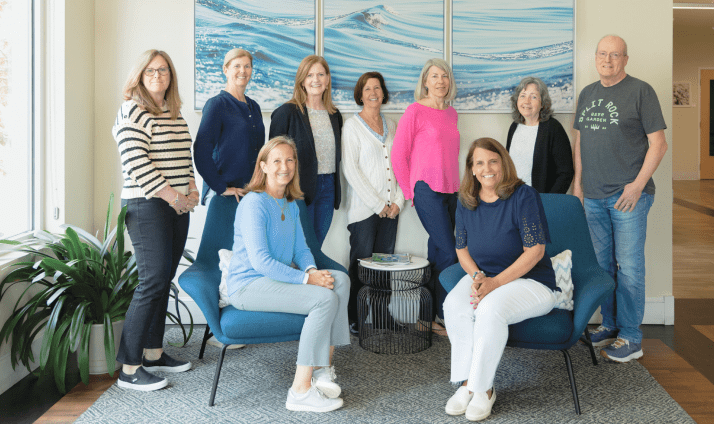
In response, a group of families and advocates came together with a bold vision: to create lasting, community-based housing solutions where adults with disabilities can live full, meaningful, and independent lives. The founding team combines both lived experience and professional expertise, including parents and leaders in health and human services.
● Beth: What can you tell people to families who want to start a home like SAIL Home?
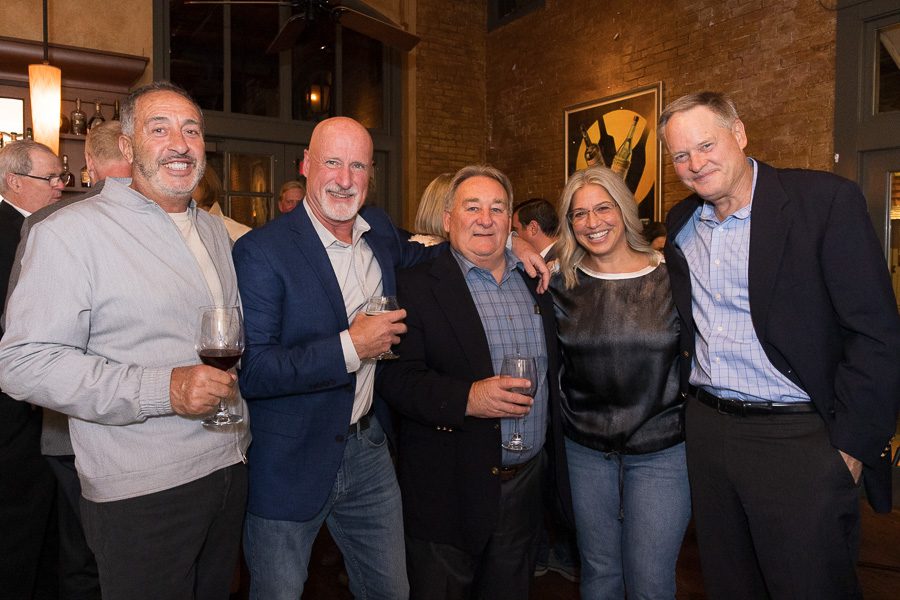
Marynell: Families who want to start researching the housing opinions for their loved ones should begin with a shared vision and build strong community partnerships – find your “tribe”. Our founders completed The New Futures Initiative training offered through the Center for Independent Futures and found it invaluable, helping turn ideas into practical steps for planning, staffing, and sustaining a supportive independent living home. SAIL now offers this training to help other families follow the same path.
● Beth: Let’s get to the heart of the matter – tell me about the actual SAIL Home.
Marynell: Looking back over the past 18–24 months, it almost feels serendipitous how everything has come together. Families had been working on this vision even before COVID, so we already had key community assets lined up like Bob Shepard of Shepard Construction and Development and architect Al Kearney from Kearney/Pierce Architects. One of our founders even discovered the property while walking her dog. When we showed it to Bob and Al, their response was simple: “We can do this.”
In a fortunate turn, an angel investor purchased the building, and one of the most pivotal moments came when the Town of Scituate awarded $1.75M through their Community Preservation Fund, enabling us to complete construction as affordable housing.
These milestones have brought us to where we are today. Construction is set to be complete by October 2025, and we look forward to welcoming our first eight residents in early 2026 — just two years after this journey began.
● Beth: Tell me about the residents.
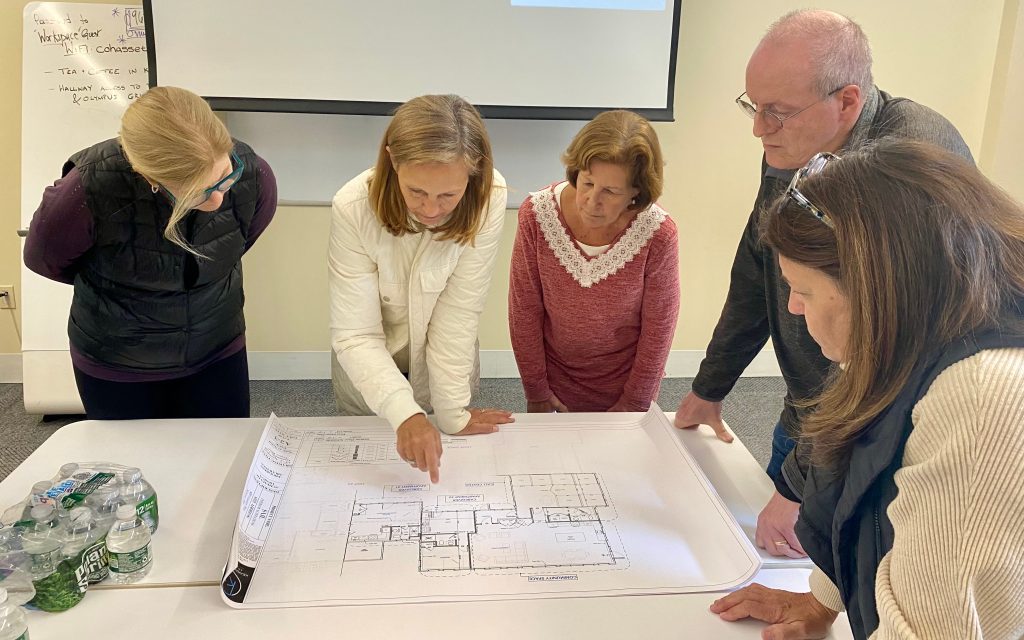
Marynell: When we began, we determined that applicants should live within a 15-mile radius to remain connected to their communities and existing supports. Family involvement is a core pillar of our model, so applicants’ families must be highly engaged. Our robust application process included input from outside professionals who work with this population to assess whether applicants have the skills needed for independent living. From there, we will develop a personalized transition plan for each resident, introducing them to the building, staff, and fellow residents during the transition period.
We generally consider residents between 24 and 36 years old. Around age 22, individuals are often navigating many life changes while after 36 different aging- in-place considerations come into play. This may not necessarily be a resident’s forever home, as circumstances and needs can change over time.
● Beth: Tell me about the building.
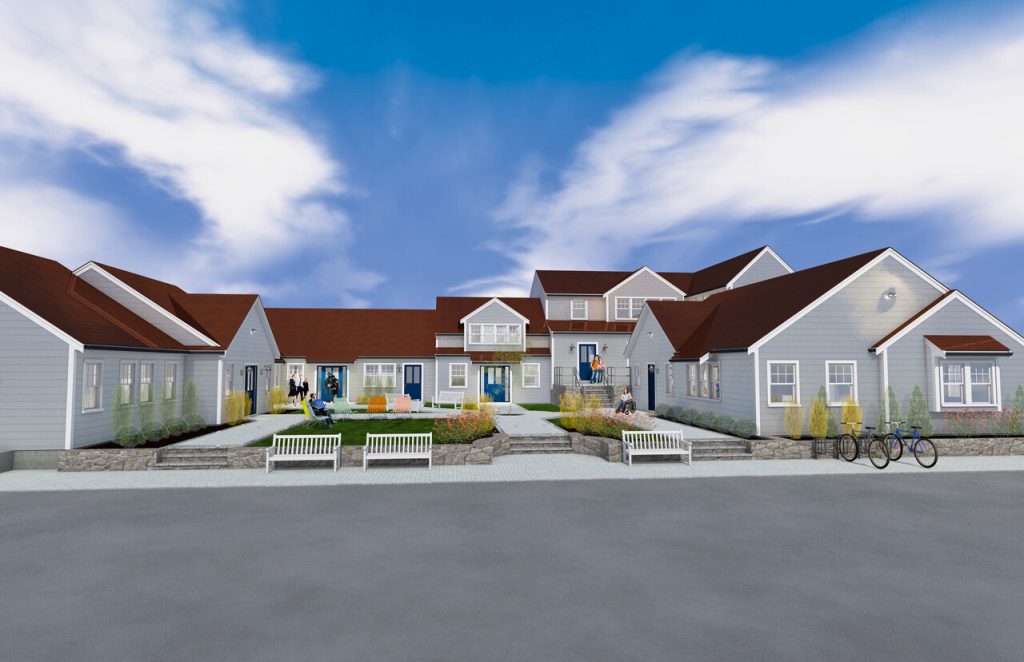
Marynell: At SAIL Home Scituate, each of the residents has a private bedroom and bathroom within thoughtfully designed apartments—two- or three-bedroom units and one studio—sharing a kitchen and living space with compatible housemates. We have integrated smart technology to foster independence: programmable ovens, medication dispensers with alerts, and Alexa devices to manage daily tasks.
We will even have remote support monitoring for some residents, which is a virtual support person 24/7 as well as an on-site community builder to help as needed.
● Beth: Can you define supported living?
Marynell: Supported living at SAIL Home is built on four pillars. First, Community Builders live alongside residents, offering support, safety, and companionship, with a Community Manager overseeing daily operations. Second, families play an active role, especially on weekends, keeping love and connection central to the model. Third, thoughtfully integrated assistive technology empowers residents to live more independently. And fourth, residents continue receiving the services they already have in place, such as day programs or job supports.
Most importantly, this model is rooted in community. Neighbors know our families, care about our residents, and want to see them thrive and that sense of belonging is what makes supported living so powerful.
● Beth: What is a day in the life of a resident?
Marynell: Our residents spend their weekdays out in the community at jobs, day programs, or other activities that give them purpose and connection. Evenings and weekends are theirs to enjoy, whether that means taking part in activities in the shared spaces, spending time with family, or simply relaxing at home. It’s a balance that fosters independence while ensuring they always have a supportive, welcoming place to return to—a true home.
● Beth: Summarize SAIL Home in three words.
Marynell: Inclusive, purposeful, transformative.
● Beth: What do people need to understand about SAIL Home that they might not?
Marynell: Understand that this is a very innovative project that is a grassroots idea, built in a community. Everything we do, we are doing with intention, purpose, and thoughtfulness so that the model can be replicated. It’s not a “one and done.” We are taking all the learnings to look towards replication.
● Beth: If SAIL Home received an earth-shattering amount of money tomorrow, what would you do with it?
Marynell: We would put it towards our infrastructure. We are in the building and creating phase and we do need money to create the infrastructure so that we can replicate the model. I would very much like to move on to the next development to identify it in 2026.
● Beth: If SAIL Home had a theme song, what would it be?
Marynell: “Firework” by Katy Perry. To us, it captures the spirit of our residents. Each one is unique, bright, and full of potential. At SAIL, we encourage them to shine, to be proud of who they are, and to step into the confidence that society doesn’t always nurture. My deepest hope is that SAIL helps them see their worth and light up the world in their own way.
● Beth: What is SAIL Home’s superpower?
Marynell: SAIL Home’s superpower is turning vision into action. What many thought was unattainable, we made real thanks to a team of passionate doers. It’s proof that with heart and teamwork, big dreams become reality.
● Beth: Finally, tell me about the Grand Opening.
Marynell: The Grand Opening of SAIL Home Scituate (809 Country Way) will be held on Saturday, October 25th, from 11 AM–2 PM. The public is invited to tour the apartments, community spaces, and leased areas, meet the founders and board, and hear the story of how this vision came to life. The celebration will feature food trucks, entertainment, and an opportunity to connect with the people behind the project.
We are deeply grateful for the extraordinary support that has made SAIL Home possible. The Town of Scituate has embraced this mission not only with action, but with significant funding. Senator Patrick O’Connor secured a $100K earmark this year and $25K last year, and countless local donors and businesses have stepped forward with generous in-kind contributions.
People want to be part of this important mission because nearly everyone knows a family caring for an adult with disabilities—and understands the sleepless nights and urgent need for safe, supportive housing. Together, we are building hope, independence, and community.
● Beth: How can someone get involved?
Marynell: Visit our website to donate, to get on the mailing list, etc. or reach out to me.
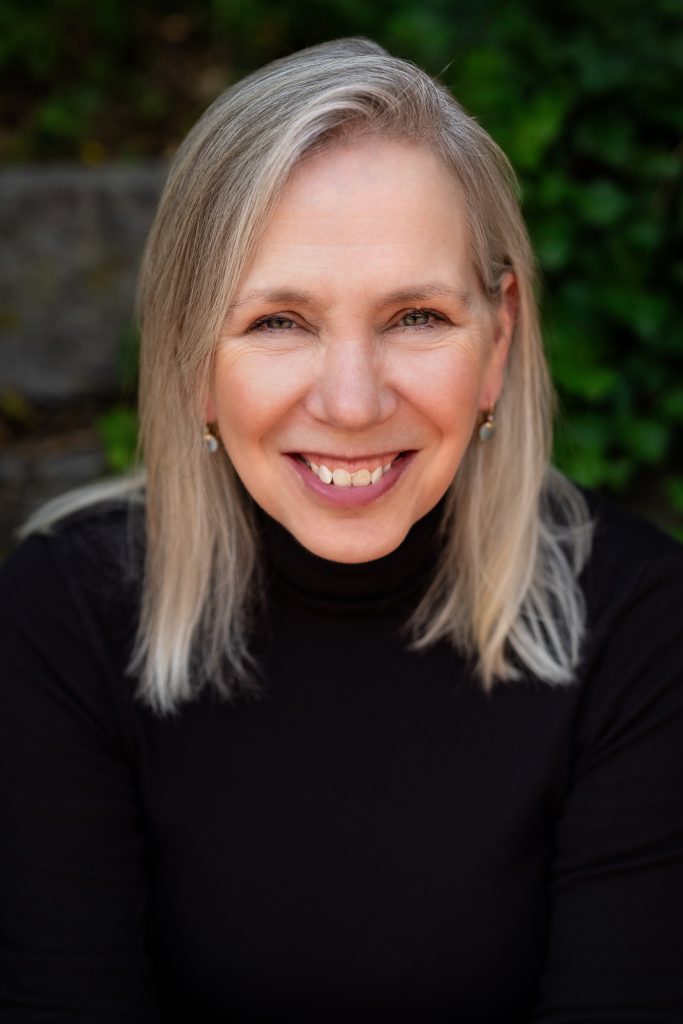
Beth Porter is a local consultant with 35+ years of experience in nonprofit management. She partners with local nonprofit leaders on a variety of strategic projects, bringing a fresh perspective, calm energy, and lots of tools. Contact her at beth@bcpnonprofitconsulting.com to learn more.
Excellent!!
What an inspiring project!
Congratulations!!