November 23, 2026 Submitted By Diane DeNapoli
As we approach the holiday season and the close of 2026, it seems a natural time to reflect on a year marked by change, uncertainty, and division. Rising costs continue to challenge families, political tensions remain high, and rapidly advancing technology is changing how we live and interact.
Amid all this change, perhaps one word deserves more of our attention: human.
Cambridge Dictionary chose “human” as its Word of the Year, a particularly meaningful choice as artificial intelligence becomes increasingly woven into our daily lives. The dictionary defines human as “having the qualities, faults, and feelings that distinguish people from gods, animals, or machines.”
Perhaps, as we debate how artificial intelligence should behave, we should devote just as much attention to how we treat one another.
This year, America celebrated the 250th anniversary of our independence. Reflecting on the American Revolution, particularly during visits to Lexington and Concord, has deepened my appreciation for the extraordinary courage of those Patriots who challenged the most powerful empire in the world.
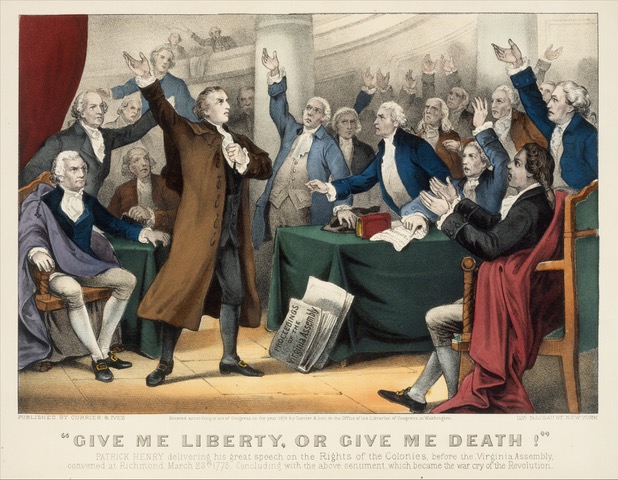
By almost any measure, their chances of success were slim. Yet ordinary men and women risked their lives, livelihoods, and property for the opportunity to govern themselves. Patrick Henry’s declaration, “Give me liberty, or give me death!” captured the depth of that conviction.
But liberty presents an enduring challenge. How do we balance individual freedom with our responsibilities to one another? How do we protect the right to disagree while maintaining a society built on mutual respect?
James Madison understood that differing opinions were inevitable in a free society. In Federalist No. 10, he wrote:
“As long as the reason of man continues fallible, and he is at liberty to exercise it, different opinions will be formed.”
Madison recognized that disagreement was not a flaw in democracy, but a natural consequence of freedom.
Our diversity of thought is not something democracy must overcome. It is one of the very things that makes democracy worth protecting. And dare I say, valuing that diversity is itself an act of patriotism.
Here in Hingham, as in communities across the country, we face difficult decisions about our priorities, resources, and future. We will not always agree on how to spend public funds, which projects deserve support, or what direction our community should take.
And that is perfectly appropriate.
A healthy democracy does not require unanimity. It requires informed participation, thoughtful debate, respect for facts, and an understanding that reasonable, well-intentioned people can reach different conclusions.
Unfortunately, our political culture increasingly encourages us to view disagreement as evidence of ignorance, dishonesty, or bad character. Rather than consider another perspective, we too often question the motives of the person expressing it.
We cannot claim to value freedom of thought while refusing to respect those who think differently.
Being human means acknowledging that none of us possesses all the answers. Our experiences shape our perspectives, and even our most deeply held beliefs deserve thoughtful examination.
It also means remembering that the person across the floor at Town Meeting, the neighbor supporting a different candidate, or the friend who disagrees with us is more than an opinion. They are humans with hopes, fears, and experiences we may know very little about.
We do not need to agree with someone to treat them with dignity, compromise our principles to listen with an open mind, or question someone’s character simply because they reach a different conclusion.
As we approach another year of important community conversations, perhaps we should remember what those who fought, and died, for our independence were ultimately seeking: the freedom to think, speak, participate, and govern themselves.
They did not fight to create a nation in which everyone would think alike.
Perhaps one of the most patriotic things we can do, 250 years after the birth of our nation, is to defend not only our own right to an opinion, but also the right of others to hold one we profoundly disagree with.
Democracy cannot thrive when disagreement is met with ridicule, personal attacks, or attempts to silence others. We cannot celebrate freedom of expression while insisting that only certain opinions deserve to be heard.
If we value democracy only when others agree with us, it is not democracy we are defending. It is our own point of view.
True patriotism requires something more difficult: humility to recognize that we may not always be right, the courage to listen to those who challenge us, and the compassion to see humanity in those with whom we disagree.
250 years after the birth of our nation, perhaps the greatest act of patriotism is not demanding that others think like us but respecting their freedom to think differently.
This is democracy. That is humanity.