
July 31, 2026 Submitted By Jen Benham
Last spring, I wrote about the capital needs facing Hingham’s schools and the planning underway to address them. At the time, several large projects were moving through the Massachusetts School Building Authority (MSBA) process, while the district continued to address the ongoing needs of maintaining our school buildings. Since then, that work has continued.
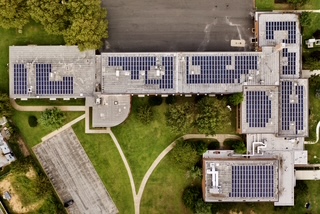
The roof replacement projects at Plymouth River Elementary, South Elementary and Hingham High School, along with the potential heat pump project at the High School, have advanced through the MSBA process and are now in design. As that work progresses, residents will hear more about the scope of each project, estimated costs, state reimbursement and the decisions that will eventually come before the community.
As those conversations continue, I think it is important to provide some context about why these projects are needed and the work that has taken place to get us here.
These needs did not suddenly appear this year. As I wrote last spring, they have been discussed over multiple budget cycles. The School Committee has reviewed facilities reports, listened to presentations from district administrators and discussed timelines, costs and long-term risks. Building assessments and engineering work have also helped determine which projects need to move forward and when.
The roofs are a good example. Like boilers, HVAC equipment and other major building systems, roofs have useful lives. Regular maintenance and repairs help them perform as intended, but eventually they need to be replaced. Most homeowners understand this. We take care of our homes, make repairs along the way and, eventually, replace a roof when it reaches the end of its useful life. That does not mean the home was poorly maintained. It means the roof did its job, and now it is time to replace it.
The same is true of our schools. The roofs at Plymouth River, South and Hingham High School have served these buildings for many years and have reached the point where replacement is necessary. As roofs age, problems can occur, and when they affect the operation of a school, they have to be addressed. Replacing these roofs protects the classrooms, mechanical and electrical systems, equipment and everything else beneath them, as well as the larger investment our community has made in these buildings.
I think that distinction is important, especially when we talk about whether our approach has been proactive or reactive. Preventive maintenance matters, but it does not change the fact that roofs eventually reach the end of their useful life. We should be careful not to take the need to replace an aging roof all the way up the mountain and turn it into something it is not.
That does not mean we should ignore the lessons of the past. Hingham, like many communities, has at times deferred major capital investments. Towns face competing priorities, limited resources and difficult decisions about what taxpayers can reasonably be asked to support at any given time. Sometimes projects that might ideally have been addressed sooner are pushed further into the future. We have seen how difficult and costly those decisions can eventually become.
That history is a reason to plan carefully for the future, but it does not mean that every roof, boiler or mechanical system that reaches the end of its useful life is evidence of a failure to maintain it. Those are two different issues, and I think it is important that we distinguish between them.
At the same time, we should always look for ways to do things better. Preventive maintenance, long-range planning, coordination among departments and good information about the condition of our buildings are all important. There has been discussion recently about creating a permanent facilities committee in Hingham, and it is reasonable to look at how other communities approach this work and whether there are ideas we can learn from.
Different communities use different models. Some have permanent building committees, some rely more heavily on professional facilities departments, and others divide responsibilities between the two. Their responsibilities also vary from town to town.
Hingham already has Town staff and several elected and appointed boards involved in capital planning and major projects, including the Select Board, School Committee, Capital Outlay Committee and School Building committees established to oversee individual building projects. Before creating something new, I think we should understand what is already being done, where the gaps are and how another committee would fit with the responsibilities that already exist.
There are also some practical questions we should ask. Would a new structure improve how capital needs are evaluated and prioritized? Would it give the Town better information when capital decisions need to be made? Would it help us make better use of taxpayer resources, and would it be clear who is ultimately responsible for getting the work done?
That does not mean our current process cannot be improved. There may be opportunities to improve preventive maintenance, long-range forecasting, coordination or the way information about our buildings is organized and communicated. If there are, we should address them thoughtfully and make changes where they make sense.
Hingham will continue to face significant capital needs across our schools and other public buildings. Roofs, heating and cooling systems, electrical systems and other building components all age. We cannot eliminate the cost of eventually replacing them, but we can maintain them, monitor their condition and plan ahead for when replacement becomes necessary.
There is still a great deal of work ahead on our current school projects, and residents will have important decisions to make as they move through design and toward future Town Meeting votes.
My commitment remains the same as it was when I wrote about these issues last spring: provide information as it becomes available, ask questions, understand the options before us and make thoughtful decisions about the buildings our community relies on every day.
Taking care of our schools is ongoing work. Sometimes that means making repairs, and sometimes it means replacing major building systems that have reached the end of their useful lives. Both are part of taking care of our buildings for the long term.