September 9, 2025 by Glenn Mangurian
We are in “back to school” time. Our children and grandchildren are sporting new clothes and anxious to meet new friends. Their teachers are eager to expose their students to new knowledge and help prepare them for life. Now a day we are told that it is important to embrace lifelong learning as adults. We have been taught that learning is about adding – the more knowledge we accumulate, the better. Our knowledge coupled with our life experiences form our beliefs about the world around us. But what about the situations in which those assumptions that guide our behavior no longer serve us?
The Need to Unlearn
In a world that constantly changes, one of the most important skills we can develop is not just learning—but unlearning. While learning fills our minds with new ideas, facts, and frameworks, unlearning clears out outdated beliefs, habits, and assumptions. It is not about forgetting. Rather, it is the conscious process of letting go of what is no longer helpful. Unlearning also demands vulnerability and humility. It means coming to grips with the realization that we have relied on to cope with life’s challenges no longer yields favorable results.
We need to replace relied upon tools and behaviors to manage the circumstances we now face based on sudden adversity or the changing world around us. In these situations we need to confront our assumptions on our identity or on our capacity to deal with the present and future. By unlearning the past, we create room for a wiser, more open future. Sounds easy but unlearning and letting go isn’t easy.
“Real development requires shedding old assumptions and habitual responses before new ones can take root.” – Edgar Schein, former psychologist and professor at the MIT Sloan School of Management.
My Challenge of Unlearning
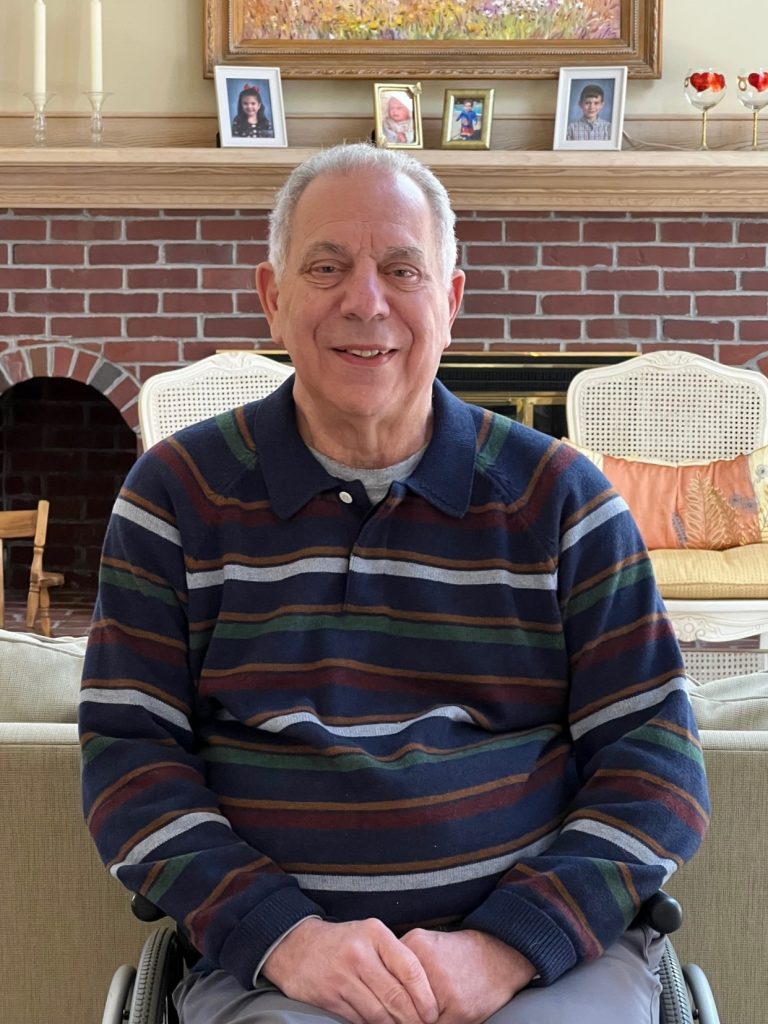
When I look back at my own journey, I see points in time that I have had to unlearn old practices. For example, after my spinal cord injury, much of what I thought I knew about strength and independence from my past successes (Glenn 1.0) was no longer relevant to my new life of paralysis. The beliefs that once contributed to that life suddenly became obstacles to my mobility and daily life. I had to unlearn the notion that asking for help was a sign of weakness. I realized that my strength would not about self-reliance alone, but about interdependence—accepting help when offered with gratitude.
For years, I had lived by the idea that strength meant doing everything myself and pushing through. That mindset had helped me achieve plenty, but in the face of life-changing circumstances, it would no longer work. I had to unlearn the notion that asking for help was a sign of weakness. The turning point came through the kindness of others. Family members reminded me that love isn’t measured by self-sufficiency. Friends and former colleagues showed up without waiting to be asked. Many reminded me of kindness and support I had offered them in their time of need. I discovered that my strength was not about self-reliance alone, but about interdependence—allowing others in, accepting support, and strengthening relationships. I celebrated my life as Glenn 1.0 even though it was no longer who I was with my new limitations. I needed to relearn some new beliefs that would become the cornerstone of Glenn 2.0. I chose to create this new version of myself rather than cling to a version of life that no longer existed.
Health issues, relationship breakdown, financial struggles or career challenges can prompt the need to unlearn and relearn. Consider the effect of Covid on remote work and where one lives. What outdated assumption might no longer serve you?
“The illiterate of the 21st century will not be those who cannot read and write, but those who cannot learn, unlearn, and relearn.” – American futurist, Alvin Toffler
One paradox of life is your once-successful beliefs and assumptions can get in the way. You must unlearn some of what you think you know in order to relearn what you need to know. That’s real lifelong learning.