

September 3, 2025 by Vanessa Webb
We’re not imagining it. Parenting is getting harder. Between the impacts of technology and social media and the 24/7 pressure to “keep up”, parents today are more stressed, isolated, and overwhelmed than ever. There’s a lot of advice out there – but much of it just adds to the pressure. We don’t need more parenting hacks and trends. What we really need is connection, compassion, and information that helps us feel steadier and more confident as we navigate the crazy ride that is parenthood.
As parents, we’re expected to help our kids do many things – succeed at school, squeeze in all the extracurriculars, figure out relationships, regulate their use of addictive technology, stay safe (online and in the real world), take care of their physical and emotional health, get into the “right” college, and launch into adulthood … All while remaining patient, loving, and calm. And figuring out what’s for dinner. Again.
No pressure, right?

For parents raising kids who are highly sensitive, anxious, strong-willed, or neurodiverse (many – if not most – parents today), it can be even more stressful. Everything can feel harder than it should be – the friction, protests, eggshells, and meltdowns. Parents wonder, is this “normal”? Frustration, worry, and doubt can take over.
Layer on the additional – and very common – stress of navigating different parenting styles, the “soft” parent and the “hard” parent, for example. Suddenly it’s not just managing kids—it’s managing the tension of seemingly incompatible approaches.
When it all feels messy and overwhelming, many of us convince ourselves – incorrectly! – that everyone else has it together. Social media feeds this misconception, with highlight reels galore. When was the last time you saw a post of someone’s kid having a meltdown? We end up thinking, why is it so hard for us?
Often, we don’t talk about the challenges we’re facing. Maybe we feel guilt or shame – we don’t want to be judged, or have our kids be judged. The sad irony is that many parents end up struggling in silence – while everyone else is struggling right alongside.
Many of us look to podcasts, books, or social media for help. The parenting infosphere/industry is bursting with advice about how to parent. There are more than 8000 parenting-related podcasts. Tens of thousands of parenting books. At last count there were more than 4 million “mom bloggers” doling out advice.

It’s a lot to sift through. Some of it is helpful. Much of it is not – polarizing philosophies, “parent mastery” summits (wait – we’re supposed to master this?), unrealistic strategies, and the not-so-subtle messaging that we’re going to mess up our kids if we get it “wrong”. Are we supposed to be “gentle parenting”? Is it all about “positive discipline?” Or should we actually be doing “FAFO” (f— around and find out) parenting? Are we raising our kids to be entitled? Snowflakes? Sociopaths??
Amidst all the noise, it can be hard to find the middle ground, evidence, or common sense. Much of the advice leaves us more confused, insecure, and worried than when we started.
There was a time when parenting seemed much simpler – and much more communal. There was a “village” of extended family and neighbors who pitched in, shared the emotional and physical labor, and helped each other raise kids. There was plenty of wisdom and compassion to go around.
Fast forward to today. Fewer families live near grandparents or relatives who can offer support. Neighborhoods are less tightly knit than they once were. Only about 1 in 5 adults live in a multigenerational household. Less than a third live within a short distance of their parents. Less than half of adults feel they can rely on people in their neighborhood for help.
Combine this with busier schedules, higher mobility, and smaller families, and many parents are managing the emotional and practical work of raising kids almost entirely on their own. It’s no wonder that stress, loneliness, and the feeling of “figuring it out alone” are so common.
Last year, former U.S. Surgeon General Vivek Murthy issued the first ever public health advisory for parents, calling out the increasing pressure parents are facing and the impact it’s having on mental health:
- Nearly half of parents say their stress is completely overwhelming (impacting their ability to function); compared to a quarter of other adults.
- Nearly two thirds of parents report feeling lonely; compared to about half of other adults.
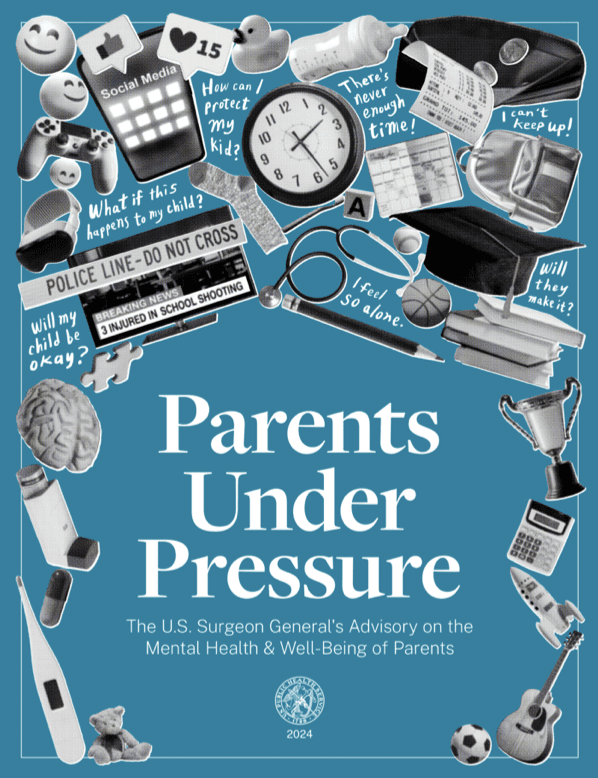
It’s not just that parents are more stretched – parents are lonelier and more overwhelmed.
Parents need— and deserve—more support. But what does this look like? The solution is not more advice on how to be parent better. All the advice doesn’t seem to be helping – and might be making things worse.
What if support looks like connection, compassion, and information that actually helps parents build confidence and peace of mind?
Connection is the antidote to the isolation we feel, and it’s something we need more of. Imagine this: Parents who form community by connecting, sharing their experiences, laughing together (it still is the best medicine), and supporting each other through the highs and lows. We all struggle at some point with some part of being a parent. This means we each have something in common with every other parent in our community. This is meaningful common ground to connect on.
Through connection, we open up space for compassion. Compassion comes when we empathize with someone else’s struggle, and we feel moved to help in some way. Helping can be as simple as giving someone our undivided attention, leaning in and really listening – with zero judgment and no advice-giving required. This is one of the most supportive and generous things we can do for each other.
Information can be supportive too. Amidst the deluge of people giving us advice on how we should parent, there are trustworthy experts sharing knowledge that can help us feel more confident and capable in dealing with our challenges.
These are not the click-bait headlines about the latest parenting trend or the “Don’t make these 10 parenting mistakes” blogs (oops, too late!). These are the less flashy, well-respected experts sharing time-tested insights and tools that combine connection and discipline, love and limits. Dr. Lisa Damour, Jennifer Kolari LCSW, Dr. Becky Kennedy, Dr. Aliza Pressman, and Dr. Daniel Seigel are a few examples of experts that take a realistic, middle-path approach, grounded in science and wisdom – and compassion.

Dr. Lisa Damour will give a community talk at Hingham Middle School on October 23rd , offering insights and tools to help parents navigate the rollercoaster of adolescence, sponsored by Hingham Public Schools and Hingham Opioid Settlement Funds and open to all community members.
These experts offer the kind of knowledge that empowers us as parents and makes things feel a little better, e.g. a tool that can help you calm down your child – and yourself – in the middle of an epic meltdown, insight as to why your child is acting the way they are (when it makes no sense!), or strategies for helping your anxious teen through a worry spiral.
We can be discerning about where we get our information, take in what feels aligned with our values and instincts, and leave the rest behind. We can learn and practice what feels helpful – and share what works with others.
That’s where community comes in. This is not about “perfect” communities where everyone feels pressured to have it all together. This is about real community and connection where we can be vulnerable, share our struggles, and know we’re not alone.
Whether it’s a walk with a friend, collaborating with a parent coach on a difficult situation, or participating in a group workshop – connecting on our challenges can make all the difference.
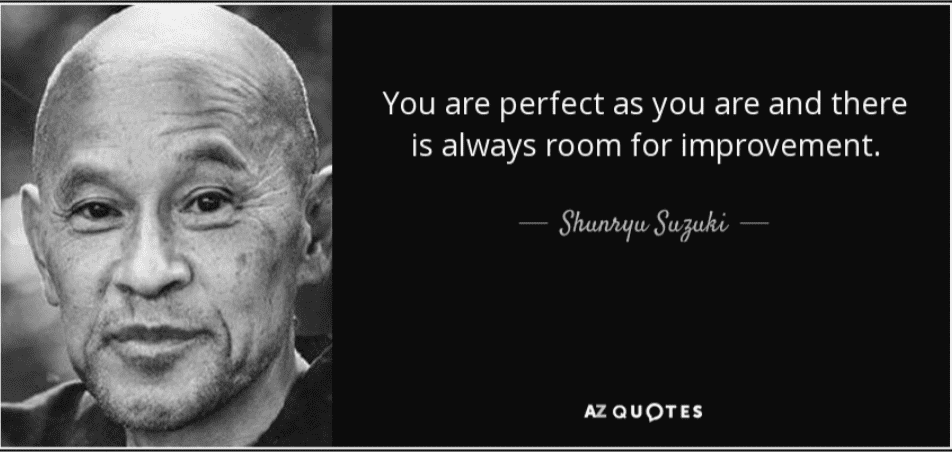
There’s a Zen quote that perfectly captures the paradox of being a parent (and a human): “You are perfect as you are and there is always room for improvement”. We already are good enough parents. We’re doing the best we can. And, with support, we can keep getting better – building steadiness, confidence, and capacity. Which will help our kids thrive too.
So, here’s the bottom line: If you’re feeling overwhelmed, stressed, or like you just can’t keep it all together, you are not alone. Parenting is hard, but you don’t have to do it on your own.
Connect with other parents and be open about your challenges. When we share that we’re struggling with something, it clears the way for others to open up. This is where real connection begins. If you sense another parent might be having a hard time – check in on them, invite them for coffee or a walk, ask how you can help. Make new connections – join something, sign up for a class or workshop, attend a talk. Scout out a few respected, trustworthy sources for information and helpful tools.
And most importantly, give yourself plenty of compassion and permission to not have it all figured out. Because, honestly, none of us do. And we’re all on this ride together.
_____________________________________________________________________________
Vanessa Webb is a certified parent coach and educator based in Hingham, offering one-on-one coaching and workshops to help parents find more steadiness, confidence and connection while navigating the challenges of modern parenthood.
If you could use support on your parenting journey, are interested in connecting with other parents, and learning helpful evidence-based tools and insights, check out the Five Tuesdays Workshop for parents this Fall at the Hingham Community Center @ bit.ly/FiveTuesdays or visit vanessawebbcoach.com.
For more information about the Community Talk with Dr. Lisa Damour in October, visit bit.ly/DrDamourHingham.